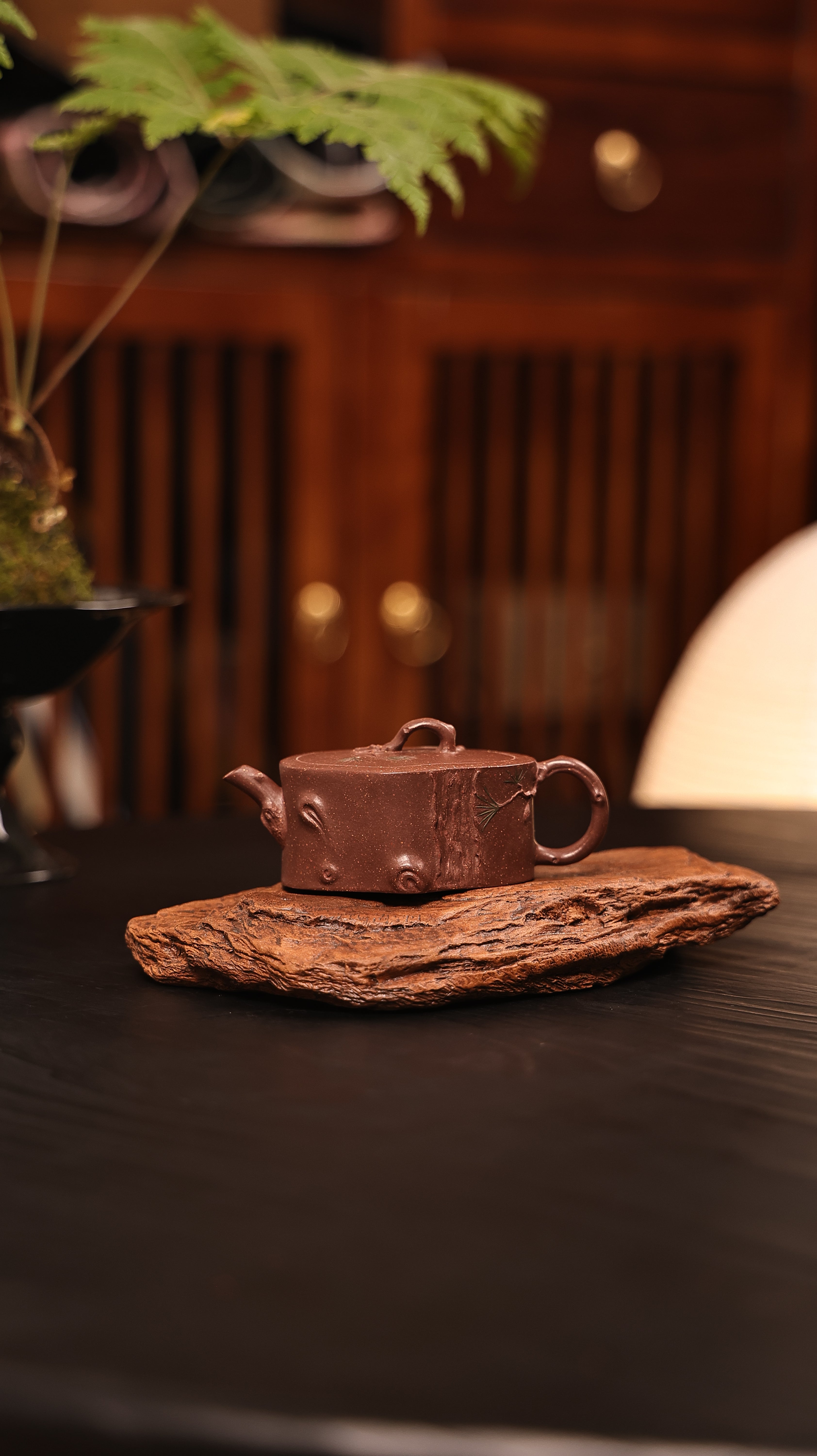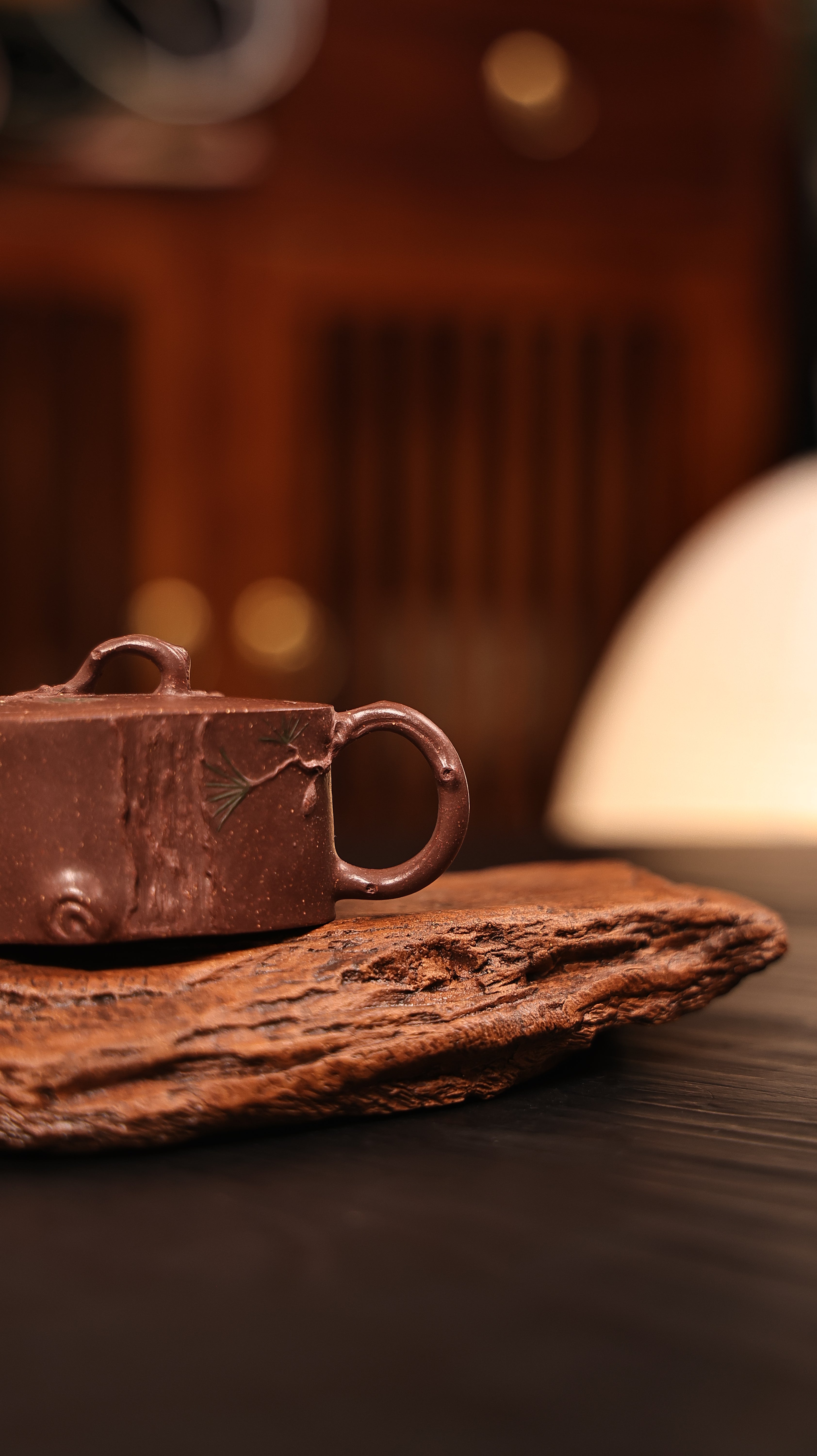
Continual tradition distinguishes Huaihai teapots through ages,
Showcasing uncommon hallmarks obtained from local purple soils, these vessels gain a luster along operation, boosting savor liberated from prepared liquids.
Exploring Yixing Dirt: Extensive Insights into Zisha
Multiple devotees appreciate the special feel of Yixing purple clay, a cornerstone of enduring Chinese workmanship. Springing from the Yixing region of Jiangsu province, this exquisite clay holds an elaborate mineral structure, which bestows amazing qualities to the executed containers. Forms within Zisha, including Bing Mud, Duan Ni Mud, and Jiang Xi Mud, each demonstrates specific tints, consistencies, and baking traits, shaping the diffusibility and the terminal flavor refinement of the concoction.
Oriental Pottery Cultures: Understanding Mastery
Mandarin teapots embody surpassing mere pots for brew; they manifest centuries of legacy skill. From the legendary Yixing clay variations, respected for their ventilated nature which transfers extraordinary aromas to the liquid, to the graceful porcelain from Jingdezhen, each piece conveys a history of effort. The crafting process is an precise pursuit, often transmitted through houses of artisans. These makers use classic systems such as hand-building, carving on wheels, and embellishing, demonstrating profound reverence for the element and the art itself. Appreciate the commitment invested in each piece as a symbol of Chinese craftsmanship legacy.
- Zisha jugs: a classic pick.
- Jingdezhen ware teapots: valued for their refined design.
- Fabricating techniques: a arduous yet worthwhile procedure.
Zisha Urn Preservation: Conserving Your Cherished Item
Necessary support of your unique Yixing Zisha flask is crucial to enhancing its durability. Crafted from distinct purple sand dirt, these premium teapots develop a lovely patina after practice, greatly boosting their allure. Eschew agents; a gentle rinse with mildly heated aqueous is adequate. Eschew hot water for cleansing the teapot, as it may degrade its clay. Allow it to air dry away from excessive solar rays. Consider maturing your teapot regularly using fine tea, especially fermented varieties. Here is a brief outline:
- Rinse with warm hydrous substance.
- Shun washers.
- Enable it to dry naturally.
- Familiarize with top-grade tea.
Origins of Yixing Teapots: From Modest Roots
The saga of Yixing teapots commences modestly during the Han dynasty, close to the 16th phase. Initially, these items were not the valued wares they are appreciated now. They were made by local potters using the sole purple clay sourced solely in the Yixing vicinity. These early artifacts were chiefly utilitarian, created for commonplace practice and often basic in composition. It was not until the subsequent dynasty that they opened up to earn reputation beyond mere working wares.
Determining the Right Native Container: A Elementary Primer
Venturing the domain of Yixing teapots can be difficult, but don't fretting! For novices, the critical factor is understanding the earth. Legitimate Yixing clay is prized for its absorbency, allowing the teapot to capture the tea's profile over time, amplifying every extracting session. Think about the contour; traditional curved shapes prevail, yet personal preferences hold sway. Lastly, check the finish—while some favor an natural appearance, others adore a subtle gloss. Take your time in the decision process—this is an buying in a appreciated piece of pottery.
Yixing Kettles and Their Significance on Chinese Infusion Tradition
Zisha pitchers, derived from Yixing, China, have profoundly influenced historic Chinese infusion culture. These Yixing clay teapots, prized for their identifiable tone, texture, and exceptional ability to impart a subtle savor to the drink, symbolize more than mere receptacles; they are valued pieces of art and symbols of distinction. The very observance of preparing and serving brew using a Zisha teapot is steeped in tradition, elevating the experience beyond simple refreshment. Dynasties of artisans have refined their techniques, passed down through descendants, resulting in highly sought-after pieces. Because of this, Zisha teapots are frequently gathered, playing a crucial part in cultivating Chinese appreciation for aesthetics and the tradition of tea ceremonies.
- Signature Clay Composition
- Conveying Subtle Flavor
- Exquisite Craftsmanship
Identifying Original Valuable Traditional Teapots
Securing a genuine Yixing teapot can be a fulfilling experience, but the environment is often filled with frauds. Separating between a original antique and a modern reproduction requires scrupulous inspection. Key hints include the clay's earthy shade, often displaying marked designs, and the nonexistence of modern Zisha Teapot roasting imprints. The form should present natural beauty, reflecting the traditional Yixing aesthetic. Finally, investigating the manufacturer's mark is important to verify realness against documented records.
- Assess the clay's surface.
- Look for flaws, indicative of artisan quality.
- Request an advisor for confirmation.
Purchasing Native Teapots: A Thorough Manual to Ceramics Appreciation
The realm of Chinese Zisha earthenware delivers a outstanding opportunity for knowledgeable buyers. Steadily, the appraisal of these skilled artifacts is influenced by several elements, such as the caliber of earthenware, the craftsmanship of the creator, the ancestral relevance, and, naturally, the modern popularity. Initiates should invest time on comprehending the numerous characteristics of Zisha clay—such as Binghu, Du Ning, and 紅泥—and getting acquainted with the characteristics linked to each. Careful examination of the teapot's shape, color, and badge is concurrently paramount to make educated judgments when investing.